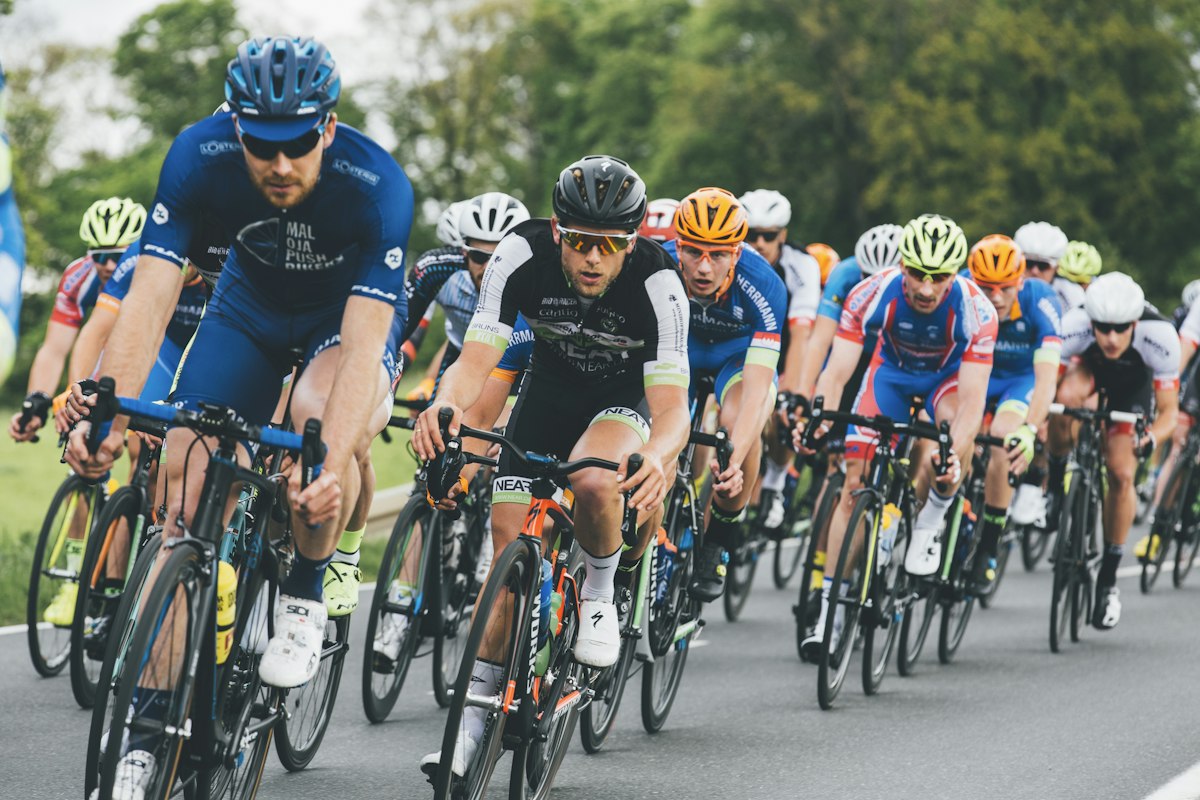
NPS 78
FORJ average Net Promoter Score across all events — employees who would strongly recommend participating again.
FORJ post-event surveys · 50+ events
NPS 34
Industry average NPS for corporate events and team building experiences.
Corporate events industry benchmark
-18%
Attrition delta in 12 months following a FORJ event vs company average in the same quarter.
FORJ internal data · 50+ events · 2024–2025
NPS 78 versus 34. That gap is not a design award. It is a measurement of whether employees leave a FORJ event wanting more — or just wanting to go home. Here is what drives the difference and why it shows up in attrition data.
What NPS Measures — and Why It Matters for Team Events
Net Promoter Score asks one question: 'How likely are you to recommend this to a friend or colleague?' Scores above 70 are considered world-class in most industries. The corporate events industry average sits at 34 — a score that reflects, honestly, how most employees feel about mandatory team activities.
NPS matters for corporate events because it is a leading indicator of the outcome organisations actually care about: will this event change how people feel about working here? An NPS of 34 means roughly equal numbers of promoters and detractors. An NPS of 78 means promoters significantly outnumber detractors — and the event created advocates, not critics.
The Direct Comparison: FORJ vs Resort Offsite
Resort Offsite
Industry NPS
34
87% events: lasting impact
None after 30 days
Participation in activities
40–60% optional uptake
Attrition change
No documented delta
Total cost per head
₹20K–50K (all in)
Cross-department bonds formed
Reinforces existing silos
VS
FORJ Sports Event
FORJ NPS
78
94% rebook intent
At 6 months
Participation rate
90%+ on the day
Attrition change
-18% in 12 months
Total cost per head (Forge)
₹10K–14K all-in
Cross-department bonds
Mixed teams by design
Why Sport Specifically Produces Higher NPS
The difference between NPS 34 and NPS 78 is not primarily about food, venue, or production quality. It is about whether the experience creates genuine emotional memory.
Research from the University of Bristol's Journal of Occupational and Organisational Psychology shows that on days when white-collar employees engaged in physical activity, they reported higher mood, greater tolerance, and stronger resilience — compared to days without exercise. The same dynamic applies to competitive team sport: the physiological arousal of competition, combined with the shared stakes and visible outcomes, creates memory formation that passive experiences simply cannot.
An employee who hit the winning run in the fourth over of a corporate cricket final will remember that day for years. An employee who attended a two-day resort offsite will remember the food and that one awkward icebreaker.
The Attrition Signal
The most important validation of the NPS gap is what follows it. FORJ's 90-day attrition tracking shows a consistent -18% delta in the months following events — compared to the same quarter the prior year and to teams that did not participate.
An NPS of 34 generates no such signal. People who rate their team event at 6 out of 10 do not go back to their desks feeling more connected to their organisation. They go back feeling the same as before — or mildly irritated at having been taken away from their work for two days.
What the data shows across FORJ events
-18%
Attrition delta · 12 months post-event
FORJ internal · 50+ events
NPS 78
Avg participant NPS
Industry benchmark: 34
94%
Rebook intent · 6 months post-event
FORJ post-event surveys
50+
Corporate events across India
Delhi-NCR · Bangalore
The 13% that actually works
Run an event that scores above 70.
FORJ events average NPS 78. We'll tell you exactly what that requires for your group size, city, and budget.